

What Are The Different Types of Pipe End Caps
As a small component in piping systems, pipe end caps play a crucial role in protecting pipes, maintaining cleanliness inside the pipes, and preventing damage during transportation and storage. In today’s article, we’ll explore the different types of pipe end caps, their materials, applications, and how to choose the right one. If you’re currently purchasing pipe end caps or planning to do so, don’t hesitate—start reading!
1. What Are Pipe End Caps?
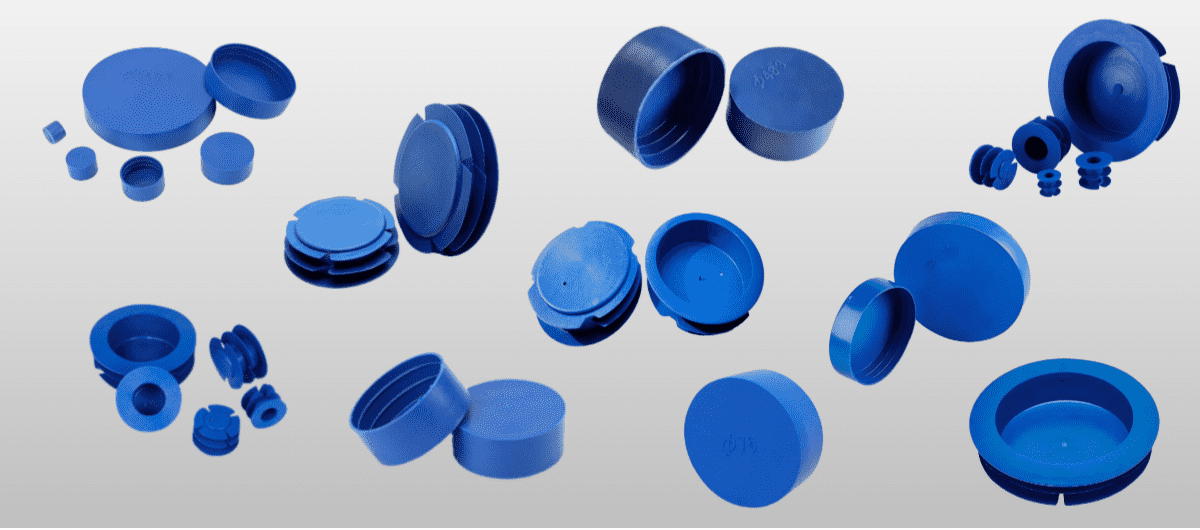
A pipe end cap is a protective cover installed over the opening of a pipe. Its primary function is to protect the pipe opening or the interior of the pipe, thereby preventing contamination from dust and debris.
2. Types of Pipe End Caps by Material
First, we can classify pipe end caps based on the materials used, as these materials determine their durability, cost, and range of applications.
2.1 Plastic Pipe End Caps
Plastic pipe end caps are among the most widely used protective covers in the piping industry. They are lightweight, affordable, and easy to install.
Common materials used for plastic pipe end caps include:
LDPE
HDPE
PP
Key Features
Corrosion-resistant
Lightweight
Low production costs and affordable
Easy to install and remove
Recyclable
Applications
Steel Pipe Protection
Oil and Gas Pipeline Transportation
Industrial Pipeline Storage
2.2 Metal Pipe End Caps
Metal pipe end caps are typically used in high-pressure or permanent pipeline systems. Unlike plastic pipe end caps, metal pipe end caps can serve as permanent pipeline closure devices. These caps are usually welded to the end of the pipe to form a permanent seal.
Common Materials:
Carbon Steel
Stainless Steel
Alloy Steel
Advantages
High-pressure resistance
Long-term durability
Suitable for welding
Applications
Oil and Gas Pipelines
Chemical Plants
Power Generation Systems
Industrial Pipeline Systems
2.3 Rubber Pipe End Caps
Rubber pipe end caps are elastic protective covers that provide temporary sealing and vibration damping.
Advantages
Flexible and stretchable
Excellent sealing performance
Reusable
Good vibration resistance
Applications
Hydraulic tubing
Automotive tubing
Laboratory equipment
3. Types of Pipe End Caps by Design
In addition to material, pipe end caps can also be classified based on their design and installation method.
3.1 Push-in Pipe End Caps
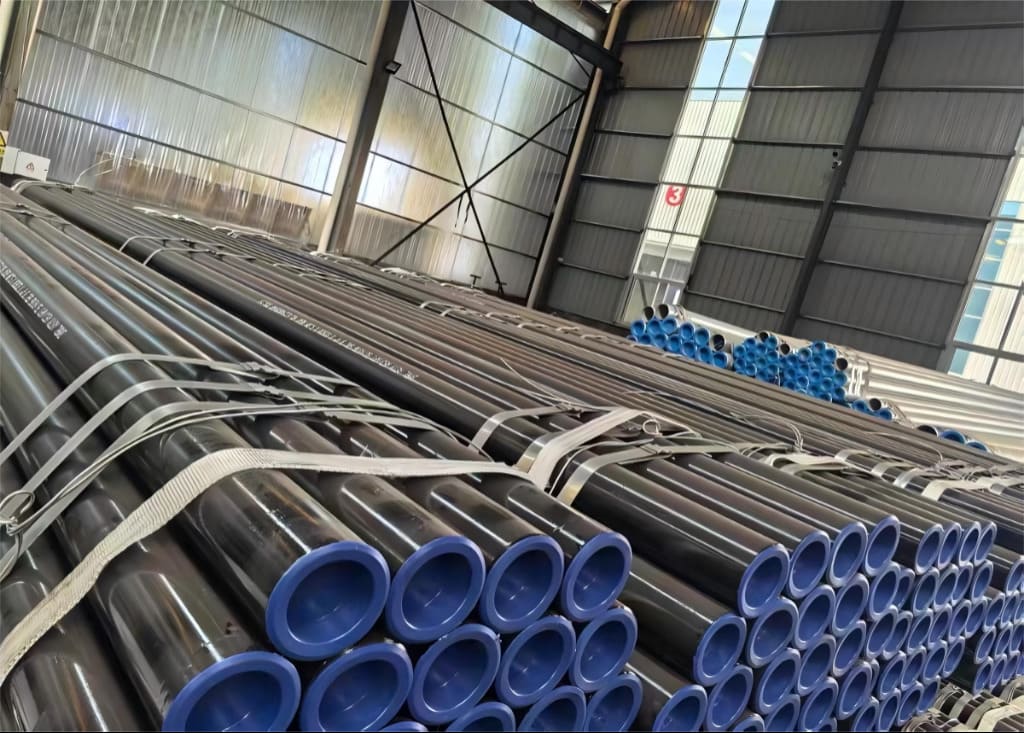
Push-in pipe end caps are the most common type of protective caps used during transportation and storage.
Design Features
Quick installation
Internal ribs for a secure fit
3.2 Threaded Pipe End Caps
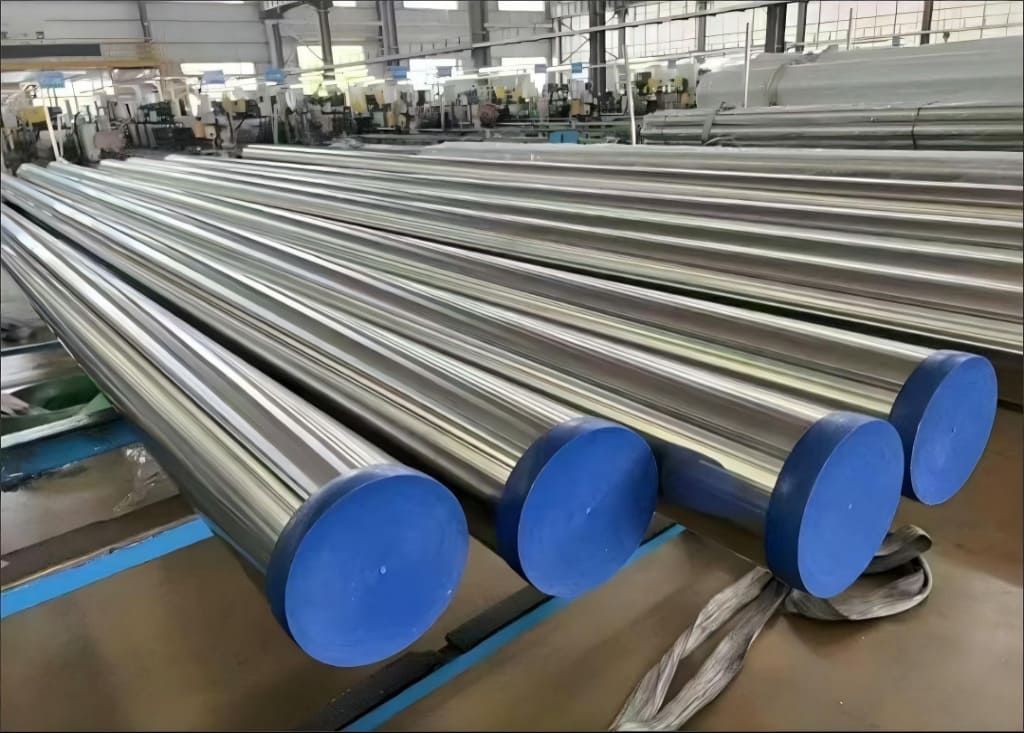
Threaded pipe end caps are specifically designed to fit threaded pipes. Compared to push-in pipe end caps, they provide a more secure seal.
Advantages
Excellent sealing performance
Easy to install and remove
Applications
Drainage systems
Natural gas pipelines
Industrial equipment
3.3 Flange Pipe End Caps
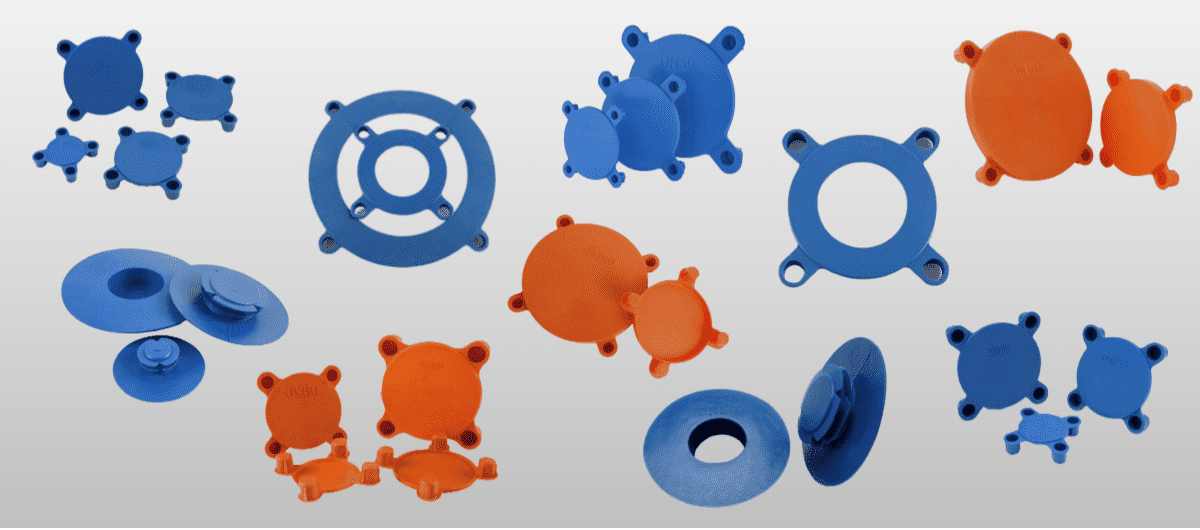
This type of pipe end cap is suitable for flange protection systems; they not only cover pipe openings but also protect flange faces and bolt holes.
Advantages
Prevents damage to flange faces
Protects sealing surfaces
Applications
Offshore pipelines
Oil and gas projects
Industrial pipeline installation projects
3.4 Tapered Pipe End Caps
Tapered pipe end caps are designed to fit a variety of pipe diameters and are often used for protection during painting, coloring, or transportation.
Advantages
Flexible size adjustment
Easy installation
3.5 Heavy-Duty Pipe End Caps
Heavy-duty pipe end caps are specifically designed for large-diameter pipes and harsh environments, and are widely used in oil and gas pipeline transportation.
Features
Thickened plastic material
Excellent UV resistance
Impact resistance
4. Types of Pipe End Caps by Function
4.1 Protective Pipe End Caps
This type of pipe end caps is primarily used during transportation and storage to protect against the following:
Dust
Mechanical damage
Contaminants
4.2 Sealing Pipe End Caps
This type of pipe end caps can be used when pipes require the following operations:
Preventing fluid leakage
Maintaining pressure
Removing impurities
4.4 Decorative Pipe End Caps
This type of pipe end cap is commonly used for furniture or railings
Features
Aesthetic appeal
Safety
Edge protection
5. How to Choose the Right Pipe End Caps?
Pipe Dimensions
The pipe end caps must match the pipe’s outer diameter (OD) or inner diameter (ID).
Application Environment
When purchasing pipe end caps, users should consider whether the pipe is exposed to:
Ultraviolet (UV) rays
High temperatures
Chemicals
Moisture
Pressure Requirements
If the pipe end cap is part of a permanent piping system, users should use metal pipe end caps.
If the pipe end cap is only used for temporary protection, users can choose plastic pipe end caps.
Installation Methods
Push-in pipe end caps
Threaded pipe end caps
Metal pipe end caps
6. Future Trends in Pipe End Cap Design
Eco-friendly, recyclable plastics
UV-resistant materials for outdoor storage
Tailored design
Summary
Pipe end caps are essential elements for protecting pipes. Their primary function is to prevent pipes from becoming contaminated or damaged, thereby ensuring their proper operation.
Most Common Types
Plastic pipe end caps
Metal pipe end caps
Rubber pipe end caps
Flange pipe end caps
Push-in pipe end caps
Threaded pipe end caps
In the piping industry, plastic pipe end caps have become the first choice for most users due to their cost-effectiveness and versatility. When purchasing pipe caps, users can select cost-effective solutions based on their specific needs.
